
I’ll admit it.
Before watching Ikkis, I lowered my expectations.
Another war film.
Another patriotic story.
Another emotional manipulation — or so I assumed.
But about 20 minutes in, I realized something was different.
Ikkis doesn’t shout at you.
It waits for you to lean in.
And once you do, it doesn’t let go.
What Ikkis Is Really About (Beyond War)
At its core, Ikkis isn’t trying to glorify war.
It’s trying to make you uncomfortable with it.
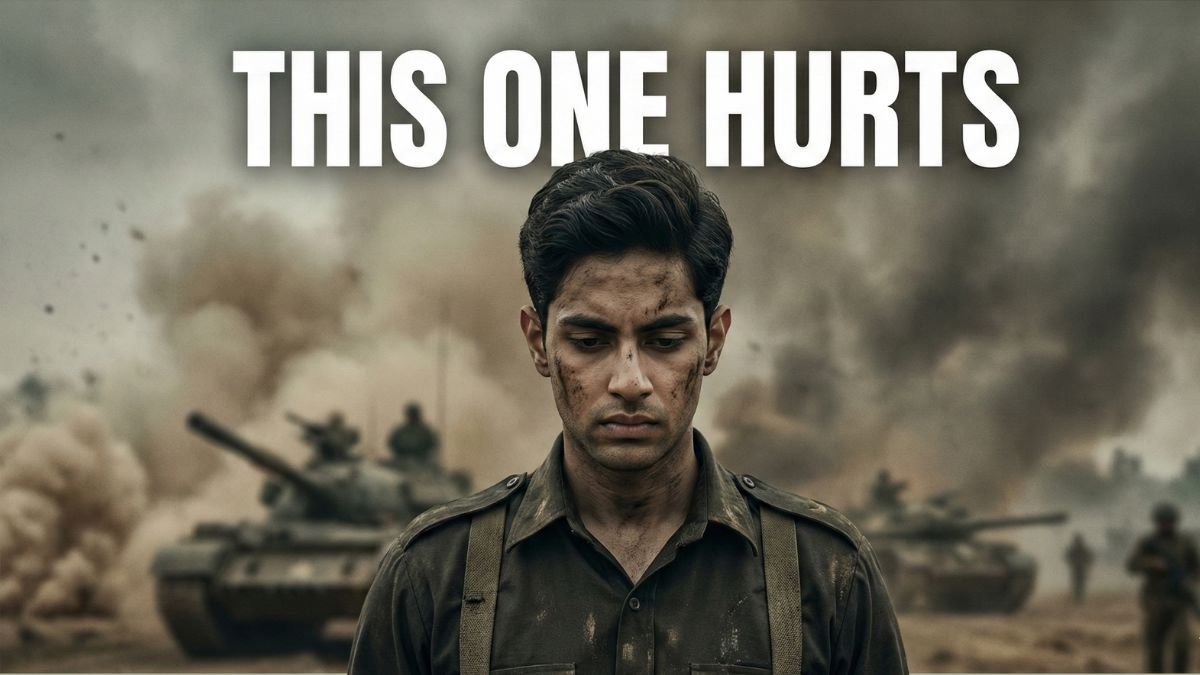
Yes, the film is inspired by the life of Arun Khetarpal, the youngest recipient of the Param Vir Chakra.
But Ikkis doesn’t treat him like a myth.
It treats him like a 21-year-old human being — confused, determined, and painfully mortal.
That choice changes everything.
The First Shock: The Film’s Silence
You expect background music to tell you when to feel proud.
Ikkis refuses.
There are long stretches where silence does the work.
Gunfire sounds ugly, not heroic.
Fear feels personal, not cinematic.
That silence stays with you longer than any dialogue.
Agastya Nanda’s Performance — Surprisingly Grounded
Let’s address the biggest curiosity first.
Yes, Agastya Nanda carries the film.
And no, this doesn’t feel like a “launch vehicle.”
His performance isn’t loud.
It’s restrained — sometimes almost too restrained.
But that restraint works.
He doesn’t act like a legend-in-the-making.
He acts like a young officer learning what courage actually costs.
That vulnerability is the film’s emotional backbone.
Direction That Refuses to Spoon-Feed You
This is classic Sriram Raghavan energy — but quieter.
He avoids:
- Over-explaining emotions
- Forcing patriotic dialogues
- Turning war into spectacle
Instead, he lets moments breathe.
You’re trusted to feel — not instructed.
That won’t work for everyone.
But for those who stay patient, the payoff is heavy.
The War Scenes Are Not “Massy” — They’re Messy
If you’re waiting for slow-motion hero shots, you’ll be disappointed.
The action in Ikkis is chaotic.
Disorienting.
Almost frightening.
And that’s the point.
War here isn’t about winning.
It’s about surviving long enough to do your duty.
That realism is unsettling — and refreshing.
Why This Film Won’t Be Loved by Everyone
Let’s be honest.
Ikkis is not designed for:
- Whistle moments
- Theatre claps
- Social-media-ready dialogues
It’s introspective.
Emotionally heavy.
Sometimes deliberately slow.
Some viewers will call it “boring.”
But what they really mean is:
“It didn’t entertain me the way I expected.”
And that’s okay.
This film isn’t chasing entertainment.
It’s chasing truth.
The Emotional Punch Lands Late — But Hard
The most powerful moments of Ikkis arrive quietly.
No dramatic buildup.
No loud cues.
Just realization.
When the weight finally hits, it hits deep — because the film earned it without manipulation.
You don’t cry because the film asks you to.
You cry because you finally understand what was lost.
The One Thing That Might Divide Audiences
If there’s one risk Ikkis takes, it’s emotional restraint.
Some viewers expect patriotic films to uplift.
Ikkis doesn’t uplift — it humbles.
It reminds you that bravery often ends in silence, not celebration.
That honesty might be too heavy for some.
Why Ikkis Matters Right Now
In a time when war films are becoming louder and shinier, Ikkis pulls back.
It asks:
- What does courage really look like?
- What does duty cost a young life?
- Why do we remember heroes only after they’re gone?
These questions linger long after the credits roll.
How You Should Watch Ikkis
Don’t watch it expecting:
- A “feel-good” patriotic high
- Constant action
- Clear heroes and villains
Watch it when you’re ready to:
- Sit with discomfort
- Feel quiet pride
- Reflect instead of celebrate
That mindset changes everything.
Final Takeaway (Don’t Skip This)
Ikkis is not a film that impresses instantly.
It stays with you.
It respects your intelligence.
It trusts your emotions.
And it refuses to shout for attention.
If you give it patience, it gives you honesty.
And in today’s cinema, that’s rare.