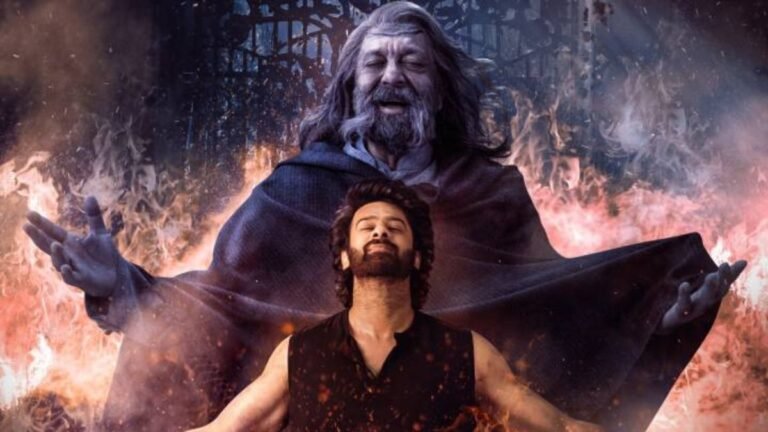


Akhanda 2 Box Office Closing Collection: How a Highly Anticipated Sequel Ended in Disappointment
When Akhanda 2 was announced, expectations weren’t just high.
They were dangerous.
A powerful title.
A massive fan base.
A sequel to a film that had turned into a cultural chant.
Everything about Akhanda 2 suggested one thing.
This would not struggle.
And yet, as its theatrical run officially closes, the box office story feels very different.
Not dramatic.
Not explosive.
But quietly disappointing.
The Curiosity That Pulled Everyone In
From the moment promotions began, curiosity was guaranteed.
Nandamuri Balakrishna returning in a high-energy, spiritually charged, mass-action avatar was enough to secure massive openings.
Advance buzz was solid.
First-day collections showed promise.
Theatres saw respectable footfalls.
For a brief moment, Akhanda 2 looked like it would settle into a strong, steady run.
But box office journeys are not decided by openings.
They are decided by endurance.
The Numbers That Changed the Conversation
As days passed, something subtle happened.
Collections didn’t collapse.
But they didn’t grow either.
Weekdays softened faster than expected.
Weekend jumps weren’t strong enough to compensate.
Word of mouth didn’t convert curiosity into repeat value.
By the time Akhanda 2 approached the end of its run, trade discussions weren’t about milestones.
They were about margins.
And that’s where the shock landed.
Akhanda 2 reportedly closed its theatrical run with nearly a 53% deficit.
In simple terms.
It didn’t come close to recovering what was expected of it.
Why This Result Feels Heavier Than It Looks
Not every underperforming film becomes a talking point.
Akhanda 2 did.
Because it wasn’t supposed to be here.
Sequels, especially in mass cinema, carry inherited trust.
Audiences don’t arrive to test.
They arrive to celebrate.
When that inherited trust doesn’t convert into sustained footfalls, it signals something deeper than a single film failing.
It suggests a shift in audience behavior.
Where the Film Lost Its Momentum
The first few days gave hope.
Fans showed up.
Theatres echoed.
But soon, the conversation shifted from excitement to evaluation.
Viewers began discussing:
- pacing issues
- repetitive beats
- emotional disconnect
- predictable structure
The energy that powered the first Akhanda felt diluted rather than expanded.
And sequels are judged brutally on one measure.
Do they elevate the original, or only extend it?
Many viewers felt Akhanda 2 extended without truly evolving.
The Word-of-Mouth Wall
In today’s theatrical climate, marketing creates openings.
Only word of mouth builds legs.
Akhanda 2 struggled to generate that second wave.
The film didn’t polarize strongly enough to dominate debates.
And it didn’t impress deeply enough to create advocacy.
It existed in a middle zone.
And the middle zone is fatal for box office growth.
The Audience Has Changed More Than Filmmakers Realize
One uncomfortable truth is surfacing again and again.
Star power still brings people in.
It no longer keeps them.
Today’s audience is faster to disengage.
They sample.
They judge.
They move on.
Akhanda 2 felt designed for a loyalty model.
The market is now a choice model.
Viewers are no longer watching films because of who made them.
They’re watching because of how they feel inside them.
Why the Deficit Hurts More Than the Collections
A 53% deficit isn’t just a number.
It reflects a gap between expectation and acceptance.
Akhanda 2 wasn’t rejected.
It was under-consumed.
People didn’t boycott it.
They simply didn’t prioritize it.
And in cinema today, indifference hurts more than criticism.
The Franchise Burden
Sequels don’t start at zero.
They start with pressure.
The first Akhanda wasn’t just a success.
It was an identity film.
It built a specific emotional promise.
Akhanda 2 had to either deepen that promise or reinvent it.
Instead, many viewers felt it recycled it.
Which made the experience feel familiar, not urgent.
Familiarity fills first-day shows.
Urgency fills the weeks after.
The Balakrishna Factor
Nandamuri Balakrishna’s fan base remains powerful.
That hasn’t changed.
The opening phase of Akhanda 2 proves that clearly.
But fan bases today can no longer carry films alone.
They can ignite them.
They cannot sustain them.
Akhanda 2 shows exactly where that line now exists.
Competition Wasn’t the Real Enemy
It’s easy to blame other releases.
It’s easy to blame screens.
But Akhanda 2’s performance curve points to something else.
Engagement.
If audiences connect, they make room.
If they don’t, they move on.
Theatres didn’t empty overnight.
They slowly softened.
That slow fade is always internal.
What Akhanda 2’s Run Really Teaches
This box office story isn’t about one film underperforming.
It’s about the end of automatic success.
Even mass cinema now needs:
- emotional novelty
- narrative evolution
- experiential urgency
Sequels must justify themselves beyond memory.
Akhanda 2 relied too heavily on recognition.
And recognition no longer guarantees return visits.
Was Akhanda 2 a Complete Failure?
No.
It wasn’t rejected.
It found an audience.
It had respectable phases.
But for a film of its scale, positioning, and legacy, the final outcome falls short.
This isn’t a flop story.
It’s a missed potential story.
And missed potential always lingers longer.
The Real Cost Isn’t Financial Alone
The real cost is perception.
Akhanda 2 was meant to confirm a franchise.
Instead, it has reopened questions.
About repetition.
About audience patience.
About how long nostalgia can function as fuel.
Those questions will shape how future projects are packaged.
And more importantly, how they are written.
Final Takeaway
Akhanda 2’s closing box office is not shocking because of the deficit.
It’s shocking because of what it represents.
It shows that even films built on strong legacy and star devotion are now answerable to experience.
Not memory.
Not slogans.
Not scale.
Just experience.
And Akhanda 2, despite its ambition, didn’t give enough viewers a reason to stay.
In today’s cinema, staying is everything.